

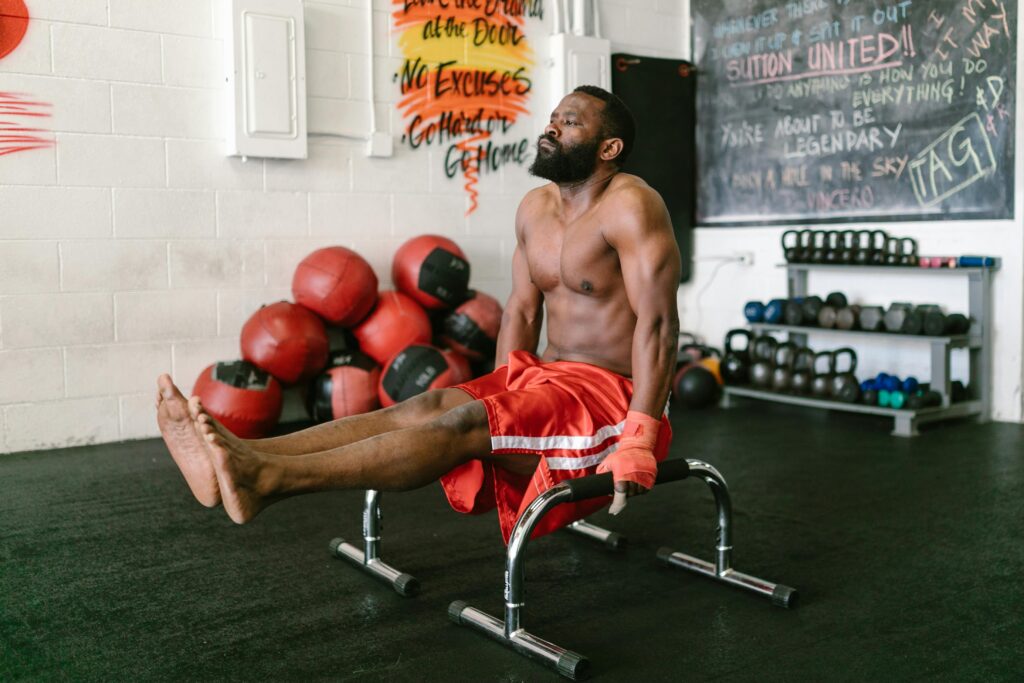
Bodyweight vs Gym Training — Which Is Better for Fitness Goals?
Author By : Rajab Ali
Introduction: Choosing the Right Training Method
Fitness enthusiasts often face a common dilemma: bodyweight exercises at home or gym-based training with equipment. Both methods can improve strength, endurance, and body composition—but each has unique advantages and limitations.
This article provides a comprehensive guide to bodyweight vs gym training, helping you understand which approach aligns best with your fitness goals, lifestyle, and preferences.
We will cover:
Definitions and principles of bodyweight and gym training
Benefits and limitations of each
Key exercises and training routines
Scientific research supporting both methods
Recommendations for beginners and advanced trainees
By the end of this article, you’ll be able to make an informed decision and design an effective workout plan.
1. What Is Bodyweight Training?
Bodyweight training, or calisthenics, involves exercises that use your own body weight as resistance. No specialized equipment is required, making it accessible to anyone, anywhere.
1.1 Key Features
Uses minimal or no equipment
Focuses on compound movements
Enhances functional strength
Often incorporates balance, flexibility, and coordination
1.2 Common Bodyweight Exercises
Push-ups, pull-ups, dips
Squats, lunges, step-ups
Planks, mountain climbers, burpees
Bridges and glute raises
Bodyweight exercises can be adapted for beginners or advanced trainees by adjusting reps, sets, or leverage.
2. What Is Gym Training?
Gym training involves exercises performed with machines, free weights, or resistance bands. It provides external resistance to challenge muscles in various ways.
2.1 Key Features
Uses machines, dumbbells, barbells, and cables
Allows precise load adjustments
Enables isolation of specific muscles
Supports progressive overload for hypertrophy
2.2 Common Gym Exercises
Bench press, bicep curls, shoulder press
Leg press, deadlifts, squats
Lat pulldowns, cable rows, tricep pushdowns
Machine-based ab crunches and leg extensions
Gym training is versatile and can target specific muscle groups with controlled intensity.
3. Advantages of Bodyweight Training
3.1 Accessibility
No gym membership required
Can be performed at home, outdoors, or while traveling
3.2 Functional Strength
Improves real-world movements
Enhances core stability and balance
Engages multiple muscle groups simultaneously
3.3 Minimal Equipment Needed
Only basic items like a pull-up bar or resistance band may be used
Budget-friendly option for beginners
3.4 Cardiovascular and Flexibility Benefits
Dynamic exercises (burpees, mountain climbers) improve heart health
Movements like squats and planks enhance mobility
4. Advantages of Gym Training
4.1 Controlled Resistance
Machines allow precise weight adjustments
Supports progressive overload for muscle growth
4.2 Muscle Isolation
Target specific muscles effectively
Useful for bodybuilders and rehabilitation
4.3 Variety and Progression
Numerous machines and free-weight options prevent workout monotony
Easier to increase intensity gradually
4.4 Professional Guidance
Personal trainers and structured programs available in gyms
Reduces risk of injury when lifting heavy weights
5. Limitations of Bodyweight Training
Limited resistance for advanced muscle growth
Harder to isolate specific muscles
Progression may plateau without creative variations
Requires self-discipline and proper technique
6. Limitations of Gym Training
Requires membership and access to equipment
Can be intimidating for beginners
Machines may reduce functional strength if over-relied upon
Less portable than bodyweight exercises
7. Bodyweight vs Gym Training: Effectiveness Comparison
7.1 Strength and Muscle Gain
Gym training allows precise load progression → better for hypertrophy
Bodyweight training can build functional strength, but muscle growth may plateau
7.2 Fat Loss
Both methods are effective
Bodyweight training often combines strength and cardio
Gym training can include HIIT, resistance circuits, and cardio machines
7.3 Flexibility and Mobility
Bodyweight exercises enhance mobility and balance
Gym exercises often require supplemental stretching
7.4 Convenience
Bodyweight: anywhere, anytime
Gym: structured, with more equipment
8. Popular Bodyweight Training Routines
8.1 Beginner Routine
Push-ups: 3 sets of 10–12
Squats: 3 sets of 15
Plank: 3 sets of 30–60 sec
Glute bridges: 3 sets of 12
8.2 Advanced Routine
Pull-ups: 4 sets of 8
Pistol squats: 3 sets of 6 per leg
Burpees: 4 sets of 12
Plank with shoulder taps: 3 sets of 20
9. Popular Gym Training Routines
9.1 Beginner Full-Body Gym Workout
Bench press: 3 sets of 10
Lat pulldown: 3 sets of 12
Leg press: 3 sets of 15
Dumbbell curls: 3 sets of 12
Plank: 3 sets of 30 sec
9.2 Intermediate Gym Split
Day 1: Chest & Triceps
Day 2: Back & Biceps
Day 3: Legs & Core
Day 4: Shoulders & Cardio
10. Scientific Perspective
Research shows:
Bodyweight training improves functional strength, endurance, and cardiovascular fitness
Gym training is superior for hypertrophy and targeted strength gains
Combining both approaches can optimize muscle growth, fat loss, and mobility
11. Choosing Between Bodyweight and Gym Training
Factors to Consider
Goals: Strength, muscle growth, fat loss, flexibility
Accessibility: Gym membership vs home convenience
Time: Bodyweight is quicker and portable
Budget: Gym can be expensive
Experience Level: Beginners may prefer bodyweight initially
12. Combining Both for Optimal Results
A hybrid approach often works best:
Use bodyweight exercises for functional strength and mobility
Use gym equipment for targeted strength and hypertrophy
Incorporate circuits and HIIT to combine cardio and strength
Sample Weekly Schedule
Monday: Gym full-body
Tuesday: Bodyweight HIIT
Wednesday: Rest or light yoga
Thursday: Gym upper-body
Friday: Bodyweight lower-body
Saturday: Gym or outdoor cardio
Sunday: Active rest
13. Common Mistakes to Avoid
Over-relying on machines → reduces functional strength
Ignoring form → injury risk
Doing the same bodyweight routine → plateau
Skipping warm-up and cool-down → mobility loss
14. Tips for Success
Track progress (reps, sets, weights)
Include progressive overload for strength
Mix cardio, mobility, and flexibility
Stay consistent, whether at home or gym
15. Mental and Emotional Benefits
Both training methods provide psychological benefits:
Reduces stress and anxiety
Boosts self-confidence
Improves sleep quality
Increases mental resilience
Conclusion: Which Is Better?
The answer is “it depends”.
Bodyweight training is perfect for beginners, travelers, or those seeking convenience, mobility, and functional strength.
Gym training is ideal for targeted muscle growth, progressive overload, and variety.
For most people, a hybrid approach combining bodyweight and gym workouts is optimal. It ensures you gain strength, flexibility, endurance, and confidence while minimizing plateaus.
Leave a Reply