

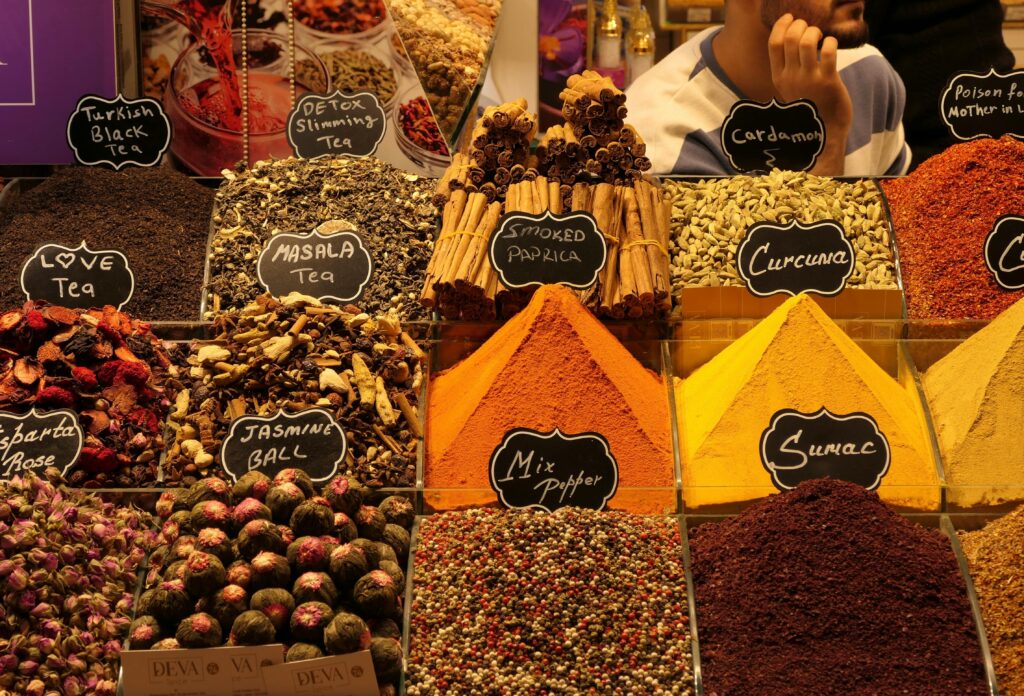
Spice Guide: How to Blend Masalas Like a Pro — Unlocking the Art of Flavor
Author By : Rajab Ali
Introduction: Why Masala Blending Is the Heart of Desi Cooking
Masalas are the soul of South Asian cuisine. From everyday daal to celebratory biryani, the depth, aroma, and character of desi food come from carefully blended spices. While store-bought masalas are convenient, nothing compares to the complexity and freshness of homemade spice blends.
Across Pakistan, India, and Bangladesh, families have passed down masala-blending techniques for generations. These blends are not random mixes—they are carefully balanced formulas that enhance flavor, aroma, and digestion.
This Spice Guide: How to Blend Masalas Like a Pro will teach you:
The science behind spices
Essential whole and ground spices
Proper roasting and grinding techniques
Regional masala blends
Common mistakes to avoid
Pro-level flavor balancing
Whether you’re a home cook or an aspiring chef, this guide will elevate your cooking to the next level.
1. Understanding What Masala Really Is
1.1 What Does “Masala” Mean?
The word masala simply means a mixture of spices. It can be:
Dry (powdered)
Wet (paste-based)
Cooked into oil or gravy
Masalas are designed to:
Enhance aroma
Add depth of flavor
Aid digestion
Balance heat, sweetness, and bitterness
1.2 Why Homemade Masalas Are Superior
Homemade masalas:
Use fresher spices
Allow full control over heat and salt
Avoid preservatives
Offer richer aroma
Store-bought blends lose potency over time, while freshly ground spices release essential oils that define great cooking.
2. Essential Whole Spices Every Kitchen Needs
2.1 Core Whole Spices
These spices form the foundation of most desi masalas:
Cumin seeds
Coriander seeds
Black peppercorns
Cloves
Green cardamom
Black cardamom
Cinnamon sticks
Bay leaves
2.2 Supporting & Regional Spices
Additional spices that add complexity:
Star anise
Nutmeg
Mace
Fenugreek seeds
Mustard seeds
Fennel seeds
Not every masala uses all spices—balance is key.
3. The Science Behind Spice Blending
3.1 Flavor Profiles Explained
Each spice contributes a specific flavor:
Hot: Chili, black pepper
Sweet: Cinnamon, fennel
Earthy: Coriander, cumin
Bitter: Fenugreek
Warm: Cloves, nutmeg
A professional masala blends multiple profiles, never relying on just heat.
3.2 Aroma vs Heat Balance
A common beginner mistake is overpowering heat. Pro-level masalas focus on:
Aroma first
Heat as a supporting role
4. Dry Roasting: The Game-Changing Step
4.1 Why Dry Roasting Matters
Dry roasting:
Activates essential oils
Deepens aroma
Removes raw bitterness
Skipping this step results in flat-tasting masala.
4.2 Proper Dry Roasting Method
Heat pan on low flame
Add whole spices
Stir continuously
Remove once aromatic
Cool completely before grinding
Pro Tip: Never roast on high heat—it burns oils.
5. Grinding Techniques for Perfect Texture
5.1 Traditional vs Modern Grinding
Stone grinding: Best flavor, time-consuming
Spice grinder: Fast and effective
Mortar & pestle: Ideal for small batches
5.2 Texture Matters
Different dishes need different textures:
Fine powder → gravies
Coarse grind → kebabs
Crushed spices → tempering
6. Essential Homemade Masala Blends
6.1 Basic Garam Masala
Ingredients:
Coriander seeds
Cumin seeds
Black pepper
Cloves
Cinnamon
Cardamom
Used in:
Curries
Daal
Vegetables
6.2 Biryani Masala
Includes:
Star anise
Black cardamom
Nutmeg
Mace
Adds warmth and aroma without excess heat.
6.3 Curry Masala
Balanced blend for everyday cooking:
Coriander
Turmeric
Red chili
Cumin
7. Wet Masalas & Paste-Based Blends
7.1 What Is Wet Masala?
Wet masalas combine:
Spices
Onions
Ginger
Garlic
Tomatoes
These form the flavor base of many gravies.
7.2 When to Use Wet Masalas
Ideal for:
Meat curries
Rich vegetable gravies
Festive dishes
8. Regional Masala Styles
8.1 Punjabi Masala Style
Bold
Hearty
Onion-heavy
Butter or oil-based
8.2 Sindhi & Balochi Influence
Strong chili presence
Deep earthy flavors
Minimal sweetness
8.3 South Indian Spice Profiles
Curry leaves
Mustard seeds
Coconut elements
Each region balances spices differently.
9. Storage: Keeping Masalas Fresh
9.1 Best Storage Practices
Use airtight containers
Store away from light
Avoid moisture
Label with dates
9.2 Shelf Life Guide
| Type | Freshness Duration |
|---|---|
| Whole spices | 1–2 years |
| Ground spices | 3–6 months |
| Roasted blends | 2–4 months |
10. Common Mistakes in Masala Blending
Avoid these errors:
Over-roasting spices
Grinding while hot
Using stale spices
Overloading chili
Skipping balance
Professional cooking is about restraint.
11. Pro Tips to Blend Masalas Like a Chef
Smell spices before using
Grind in small batches
Taste blends raw carefully
Adjust spice ratios per dish
Keep a spice journal
Consistency creates mastery.
12. Health Benefits of Proper Spice Blends
Spices are not just flavor enhancers.
Benefits include:
Improved digestion
Anti-inflammatory properties
Blood sugar control
Immune support
Balanced masalas support both taste and health.
13. Using Masalas Correctly While Cooking
13.1 When to Add Spices
Whole spices → early cooking
Ground spices → after onions
Garam masala → end of cooking
Timing affects flavor outcome.
14. Building Your Signature Masala
Every great cook has a signature blend.
Steps:
Start with classic ratios
Adjust one spice at a time
Test on simple dishes
Record results
This is how family recipes are born.
Conclusion: Masala Blending Is an Art Worth Mastering
Learning how to blend masalas like a pro transforms cooking from routine to remarkable. Masalas are not just spice mixes—they are cultural expressions, scientific formulas, and personal signatures all in one.
With fresh ingredients, proper techniques, and thoughtful balance, you can create masalas that elevate every dish, preserve tradition, and showcase your culinary identity.
Master the spices—and you master the kitchen.
Leave a Reply