


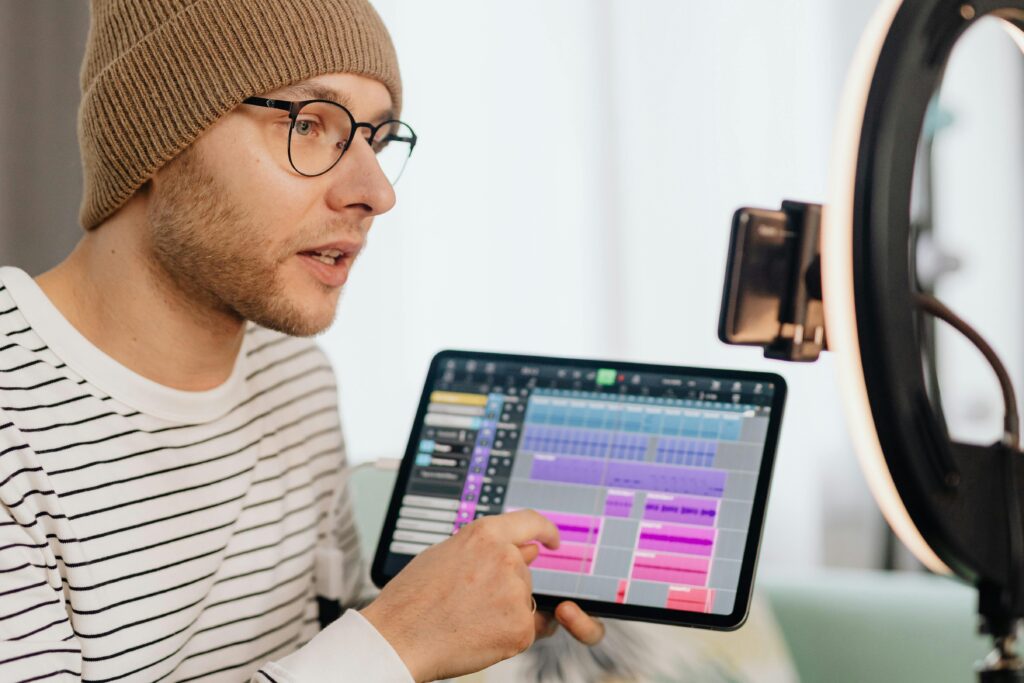
The Future of AI in Music Creation: How Artificial Intelligence is Revolutionizing the Music Industry
Author By : Rajab Ali
Introduction: AI and Its Growing Role in Music
Artificial Intelligence (AI) is no longer a futuristic concept in the music industry—it is actively shaping how music is composed, produced, and even performed. From AI-assisted songwriting tools to generative algorithms creating entire albums, musicians and producers are exploring new creative possibilities.
The future of AI in music promises:
Accelerated music production
Expanded creative tools for artists
Innovative ways for audiences to experience music
This article explores the history, current applications, tools, ethical concerns, and future trends of AI in music creation.
The Evolution of AI in Music
Early Experiments
1950s–1980s: Simple computer-generated music
IBM’s Computer Music Project: algorithmic compositions
MIDI and digital synthesizers laid foundations for AI integration
Modern AI in Music
Machine learning models can analyze thousands of songs
Generative AI tools can produce melody, harmony, and rhythm
AI-driven personalization for streaming platforms
Why Now?
Computing power and cloud technology
Advanced neural networks and deep learning
Widespread availability of AI music software
Applications of AI in Music Creation
1. AI-Assisted Composition
Generates melodies, chord progressions, and rhythms
Example tools: AIVA, Amper Music, Jukedeck
Benefits: Inspiration for songwriters, faster composition cycles
2. Music Production & Mixing
AI can assist with mastering and mixing tracks
Example tools: LANDR, iZotope Ozone
AI predicts EQ, compression, and balance for professional sound
3. AI in Lyric Writing
Tools can suggest rhymes, themes, or entire lyrics
AI models can match lyrical content to specific moods or genres
4. Performance and Live Shows
AI-powered instruments and virtual performers
Generative music adapting to audience reactions
Example: AI-driven visuals synchronized with live music
Popular AI Music Tools and Platforms
| Tool | Function | Notable Feature |
|---|---|---|
| AIVA | Composition | Classical, cinematic, and pop compositions |
| Amper Music | AI music generation | Quick royalty-free tracks for creators |
| Jukedeck | Song creation | AI-generated melodies and beats |
| LANDR | Mastering | AI-driven audio mastering |
| OpenAI MuseNet | Multi-instrument compositions | Can emulate styles of famous composers |
| Soundraw.io | Music creation | Customizable AI-generated tracks |
AI in Music Analysis and Recommendation
AI algorithms analyze millions of tracks to predict listener preferences
Spotify, Apple Music, and YouTube use AI for personalized playlists
Helps musicians identify trending sounds and genre evolution
Ethical Considerations of AI in Music
1. Intellectual Property
Who owns AI-generated music?
Legal frameworks are evolving worldwide
2. Impact on Musicians
Concerns about replacing human creativity
AI as a collaborative tool vs. AI as a replacement
3. Authenticity and Creativity
Can AI truly create art with emotion?
Debate over human vs machine authorship
AI-Generated Music Across Genres
Pop and Electronic Music
AI generates catchy hooks, beats, and harmonies
Can remix or reimagine existing songs
Classical Music
AI composes symphonies in the style of Bach, Mozart, or Beethoven
Used for film scoring or experimental compositions
Hip-Hop and Rap
AI assists with beat-making, sample creation, and even flow suggestions
Ambient and Generative Music
AI creates background music for games, apps, and meditation
Example: Endless adaptive soundscapes
Advantages of AI in Music Creation
Faster composition: Generate ideas in minutes
Experimentation: Explore genres and styles effortlessly
Accessibility: Lowers entry barrier for aspiring musicians
Collaboration: AI can act as a co-producer or assistant
Limitations and Challenges
Emotional nuance is limited
Risk of homogenized sound if overused
Requires technical understanding of AI tools
Ethical and copyright concerns still unresolved
Future Trends in AI Music Creation
1. Human-AI Collaboration
Artists using AI as a creative partner
Enhanced songwriting, arrangement, and production
2. Personalized AI Music
Adaptive music for games, apps, and virtual reality
AI tailoring songs to listener’s mood and preferences
3. Advanced Generative Music
AI capable of composing full albums autonomously
Integration with live performances and virtual concerts
4. Democratization of Music Production
Lower-cost AI tools for independent artists
AI helping emerging musicians reach professional quality
AI in Music Education
Teaching composition, instrument techniques, and music theory
Adaptive learning with instant feedback
AI tutors for practicing scales, chords, and rhythm
Case Studies: AI in Music Industry Today
Holly Herndon – Uses AI “spawn” to create unique vocals
Taryn Southern – AI-assisted pop album creation
Endel App – Generates AI-driven ambient soundscapes for focus
How Musicians Can Integrate AI Today
Experiment with AI tools for melody or beat creation
Use AI for mixing and mastering to save time
Collaborate with AI without losing personal artistic vision
Stay updated on AI music trends and software
The Debate: Will AI Replace Human Musicians?
AI complements creativity but cannot fully replace human emotion
Human expression remains central to performance and songwriting
Likely outcome: AI-human collaboration as the norm
Conclusion: The Future is a Blend of Human and Machine Creativity
Artificial Intelligence is redefining music creation, offering tools that accelerate production, inspire creativity, and expand musical possibilities. The future will likely be a collaboration between human intuition and AI efficiency, creating music that is innovative, diverse, and globally accessible.
Musicians, producers, and creators who embrace AI responsibly will shape the next era of music, blending technology with human artistry.
Leave a Reply