

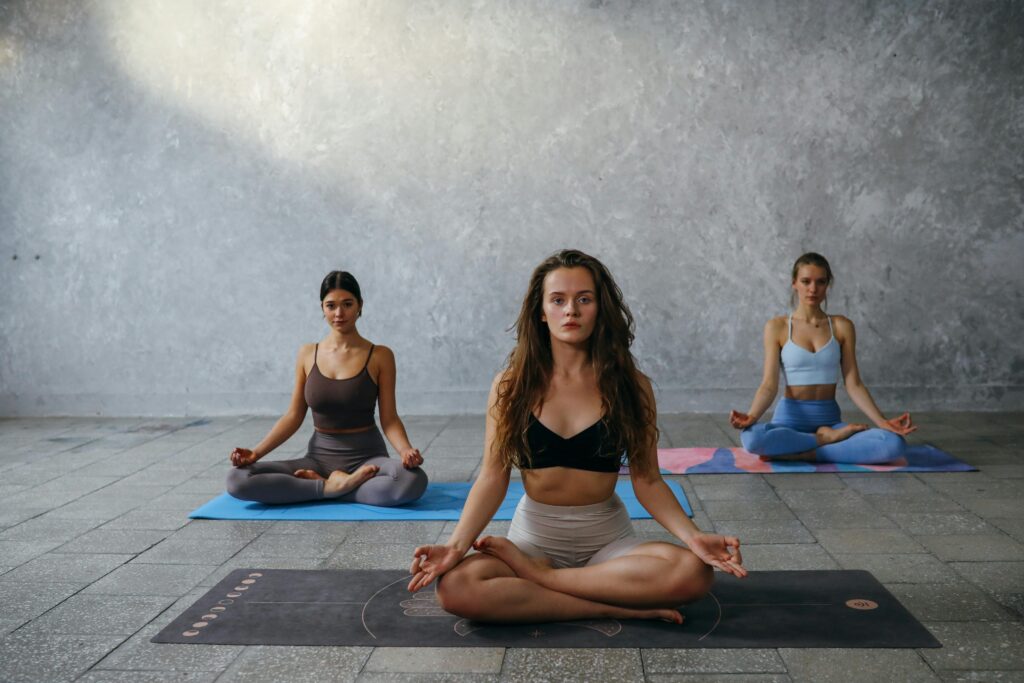

Mind-Body Fitness: Benefits of Yoga & Meditation
Author By: Rajab Ali
Introduction
In today’s fast-paced world, physical fitness alone is no longer enough. True health involves a balance between body and mind. Mind-body fitness, through practices like yoga and meditation, offers a holistic approach that promotes physical strength, flexibility, mental clarity, emotional stability, and overall well-being.
Yoga and meditation are not just exercise routines—they are lifestyles that cultivate mindfulness, resilience, and inner peace. For beginners and experienced practitioners alike, integrating these practices into daily life can lead to profound changes in physical health, mental clarity, and emotional balance.
This article explores the benefits of yoga and meditation, their impact on mind-body fitness, practical routines, tips for beginners, and scientific evidence supporting these practices.
Understanding Mind-Body Fitness
Mind-body fitness emphasizes the connection between mental and physical health, recognizing that emotional and cognitive states directly influence physical well-being.
Key Concepts:
Mindfulness: Paying attention to the present moment
Awareness: Recognizing physical sensations, thoughts, and emotions
Balance: Integrating mental focus with physical movement
Yoga and meditation are among the most effective ways to cultivate mind-body fitness, as they combine movement, breath control, and mental focus.
What Is Yoga?
Yoga is an ancient practice originating from India, combining physical postures (asanas), breathing techniques (pranayama), and meditation.
Main Components of Yoga:
Asanas (Postures): Physical movements to strengthen and stretch the body
Pranayama (Breathing Exercises): Techniques to regulate breath and energy
Meditation & Mindfulness: Practices to calm the mind and improve focus
Lifestyle Principles: Ethical and holistic living
Yoga improves flexibility, builds muscle tone, strengthens joints, and promotes relaxation.
What Is Meditation?
Meditation is a mental practice that trains attention, awareness, and emotional regulation.
Types of Meditation:
Mindfulness Meditation: Focus on breath and present moment
Guided Meditation: Led by instructor or audio
Transcendental Meditation: Repetition of a mantra
Loving-Kindness Meditation: Cultivates compassion and empathy
Meditation enhances concentration, reduces stress, and supports emotional health.
Physical Benefits of Yoga & Meditation
1. Improves Flexibility and Strength
Regular yoga practice gradually increases range of motion
Strengthens core muscles, legs, and upper body
Reduces risk of injuries
2. Enhances Balance and Posture
Yoga improves proprioception (body awareness)
Strengthens postural muscles
Supports proper alignment
3. Boosts Cardiovascular Health
Certain yoga styles (e.g., Vinyasa) raise heart rate
Meditation reduces stress-induced hypertension
Improves circulation and oxygenation
4. Supports Weight Management
Mindful eating and increased physical activity aid fat loss
Yoga enhances metabolism over time
Mental and Emotional Benefits
1. Reduces Stress and Anxiety
Meditation lowers cortisol levels
Yoga postures relieve muscle tension
Combines physical and mental relaxation
2. Improves Focus and Cognitive Function
Mindfulness exercises enhance attention span
Meditation boosts memory retention and problem-solving skills
3. Promotes Emotional Stability
Encourages self-awareness and emotional regulation
Reduces negative thought patterns
Fosters resilience against stressors
4. Enhances Sleep Quality
Relaxation techniques calm the nervous system
Reduces insomnia and promotes restorative sleep
Scientific Evidence Supporting Yoga & Meditation
Numerous studies highlight the benefits of yoga and meditation:
Cardiovascular Health: Regular yoga reduces blood pressure and heart rate
Mental Health: Meditation improves symptoms of anxiety, depression, and PTSD
Neuroplasticity: Mindfulness meditation increases grey matter in brain regions related to learning and emotion regulation
Pain Management: Yoga and meditation reduce chronic pain and inflammation
Beginner-Friendly Yoga Poses
1. Mountain Pose (Tadasana)
Stand tall, feet together, shoulders relaxed
Engage core and lengthen spine
Benefits: Improves posture and balance
2. Downward-Facing Dog (Adho Mukha Svanasana)
Hands and feet on the floor, hips lifted
Lengthen spine and stretch hamstrings
Benefits: Strengthens arms, shoulders, and legs
3. Warrior II (Virabhadrasana II)
One foot forward, one back, arms extended
Bend front knee, keep back leg straight
Benefits: Strengthens legs and core, improves focus
4. Child’s Pose (Balasana)
Kneel on floor, stretch arms forward
Rest forehead on mat
Benefits: Relaxes back and mind, reduces stress
5. Cat-Cow Pose (Marjaryasana-Bitilasana)
Hands and knees, alternate arching and rounding spine
Benefits: Improves spinal mobility and posture
Beginner-Friendly Meditation Techniques
1. Breath Awareness
Sit comfortably, focus on natural breathing
Observe inhale and exhale without altering it
Duration: 5–10 minutes
2. Guided Meditation
Listen to recorded instructions
Focus on visualization or body scan
Duration: 10–15 minutes
3. Mantra Meditation
Repeat a calming word or phrase
Enhances concentration and mental clarity
Duration: 5–20 minutes
Daily Mind-Body Fitness Routine
Sample 20–30 Minute Routine for Beginners:
Warm-Up (5 min): Gentle stretches, cat-cow, arm circles
Yoga Poses (15 min): Mountain pose, downward dog, warrior II, child’s pose
Meditation (5–10 min): Breath awareness or guided meditation
Tip: Perform in the morning for energy or evening for relaxation.
Tips for Success
Consistency: Practice daily for noticeable benefits
Mindful Movement: Focus on breath and form during poses
Start Slow: Begin with short sessions and gradually increase duration
Create a Calm Space: Quiet area with minimal distractions
Stay Hydrated: Water supports energy and recovery
Common Mistakes to Avoid
Holding poses incorrectly (risk of injury)
Overstretching too soon
Skipping warm-up or cool-down
Expecting immediate results
Ignoring breath and mindfulness
Yoga and Meditation for Specific Goals
Stress Reduction: Gentle yoga + meditation
Weight Management: Power yoga + mindfulness eating
Improved Flexibility: Focus on hamstrings, hips, spine
Enhanced Mental Focus: Morning meditation + yoga flow
Combining Yoga & Meditation With Other Workouts
Supports strength training recovery
Enhances endurance for cardio exercises
Reduces post-workout soreness
Improves body awareness for functional training
Tracking Progress
Keep a journal of practice duration, poses, and meditation sessions
Note physical, mental, and emotional changes
Set weekly goals for duration or pose complexity
Long-Term Benefits
Improved overall fitness and flexibility
Lower stress and anxiety levels
Enhanced cognitive performance
Better posture and musculoskeletal health
Stronger mind-body connection
Mental Health and Mindfulness Benefits
Reduces negative thought patterns
Encourages acceptance and self-compassion
Improves emotional regulation
Enhances mood and resilience
Conclusion
Yoga and meditation are powerful tools for mind-body fitness, offering extensive benefits for physical health, mental clarity, and emotional well-being. Regular practice enhances flexibility, strengthens muscles, improves posture, reduces stress, and promotes overall wellness.
By integrating these practices into your daily routine—whether 20 minutes in the morning or evening—you can achieve a balanced, healthier lifestyle. Remember, mind-body fitness is a journey, not a destination. Consistency, patience, and mindfulness are key.
Start today. Connect with your body, calm your mind, and transform your life through yoga and meditation.
Leave a Reply