


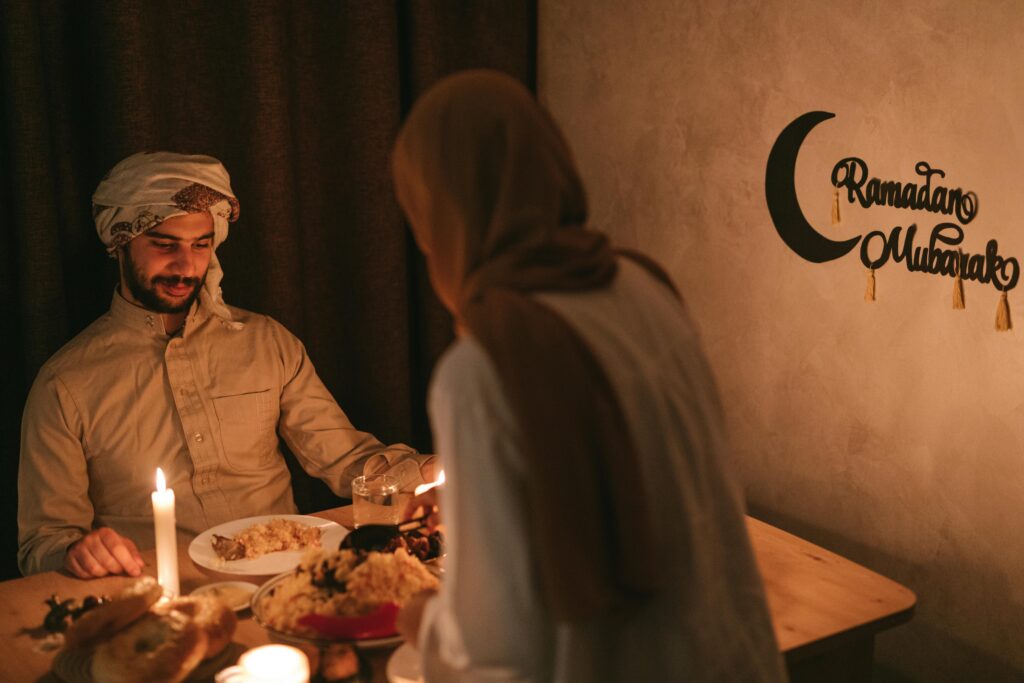
Festive Feasts: Eid & Ramadan Special Menus – A Complete Guide to Traditional & Modern Desi Celebrations
Author By : Rajab Ali
Introduction: Food at the Heart of Ramadan and Eid
Ramadan and Eid are not just religious occasions — they are deeply emotional and cultural celebrations where food plays a central role. From the first sip of water at iftar to lavish Eid feasts shared with loved ones, meals during these occasions symbolize gratitude, togetherness, and joy.
In Desi households, Ramadan brings a rhythm of sehri, iftar, and late-night meals, while Eid transforms kitchens into hubs of celebration filled with aromas of biryani, kebabs, and sweet delights. This guide explores traditional and modern Eid & Ramadan menus, meal planning tips, and how to balance taste with health during the festive season.
Understanding the Significance of Ramadan & Eid Feasts
Ramadan
Month of fasting, reflection, and discipline
Focus on simplicity, nourishment, and balance
Meals revolve around sehri and iftar
Eid-ul-Fitr
Celebration marking the end of Ramadan
Festive breakfasts and family feasts
Emphasis on sweets and rich dishes
Eid-ul-Adha
Commemorates sacrifice
Meat-centric menus
Large communal meals
Food during these times reflects gratitude, generosity, and cultural heritage.
Ramadan Meal Structure Explained
1. Sehri (Pre-Dawn Meal)
Sustains energy throughout the day
Should be filling and nutritious
2. Iftar (Breaking the Fast)
Light yet energizing
Begins traditionally with dates and water
3. Dinner
Often heavier
Shared with family after prayers
Sehri Menu Ideas for Ramadan
A good sehri meal helps prevent fatigue and dehydration.
Ideal Sehri Foods
Slow-digesting carbohydrates
Protein-rich items
Hydrating foods
Traditional Sehri Menu
Paratha or roti
Omelette or scrambled eggs
Yogurt or lassi
Fresh fruit
Tea or milk
Healthy Sehri Alternatives
Oats with milk
Whole wheat toast
Boiled eggs
Bananas and dates
Iftar: The Most Anticipated Meal of Ramadan
Iftar is both spiritual and social — a moment families wait for all day.
Traditional Iftar Starters
Dates
Rooh Afza or lemon water
Fresh fruit chaat
Popular Desi Iftar Items
Samosas
Pakoras
Spring rolls
Dahi bhallay
Chana chaat
Healthy Iftar Planning Tips
Avoid overeating fried items
Balance fried foods with fruits and salads
Drink water slowly
Limit sugary drinks
Ramadan Dinner Menu Ideas
Dinner should be satisfying but not overly heavy.
Common Dinner Dishes
Chicken or mutton curry
Daal chawal
Vegetable sabzi
Raita and salad
Fresh rotis
Weekly Ramadan Menu Planning
Benefits
Reduces daily stress
Saves time
Prevents food waste
Sample Weekly Plan
Alternate fried and baked snacks
Rotate protein sources
Include at least one light dinner per week
Eid-ul-Fitr: Celebrating with Sweet & Savory Feasts
Eid-ul-Fitr marks the joyous end of Ramadan and is celebrated with elaborate meals and desserts.
Eid Breakfast Traditions
Sheer Khurma – The Star Dish
Milk-based vermicelli dessert
Dates, nuts, and cardamom flavor
Served to guests throughout the day
Other Breakfast Items
Fried eggs
Parathas
Kebabs
Tea and sweets
Eid Lunch & Dinner Menu Ideas
Classic Eid-ul-Fitr Dishes
Chicken biryani
Qorma
Nihari
Pulao
Kababs
Side Dishes
Raita
Kachumber salad
Chutneys
Eid-ul-Adha: The Grand Meat Feast
Eid-ul-Adha menus revolve around freshly prepared meat dishes shared with family and neighbors.
Popular Eid-ul-Adha Dishes
Beef or mutton biryani
Karahi
BBQ kebabs
Korma
Keema dishes
Meat Distribution & Meal Planning
Divide meat into portions
Freeze for later use
Plan dishes across several days
Desserts for Eid Celebrations
Traditional Desserts
Kheer
Gulab jamun
Ras malai
Zarda
Modern Dessert Ideas
Chocolate trifle
Custard
Fruit parfaits
Snacks & Appetizers for Eid Gatherings
Chicken patties
Seekh kebabs
Mini samosas
Chaat platters
Hosting Guests During Eid
Tips for Stress-Free Hosting
Prepare dishes in advance
Keep menu balanced
Offer variety without excess
Serve buffet-style meals
Budget-Friendly Festive Menu Planning
Choose seasonal ingredients
Limit the number of dishes
Cook in bulk
Use leftovers creatively
Healthy Eating During Festive Seasons
Simple Health Tips
Control portion sizes
Balance rich dishes with vegetables
Stay hydrated
Avoid excessive sugar
Modern Twists on Traditional Dishes
Air-fried samosas
Brown rice biryani
Low-sugar desserts
Grilled kebabs
Cultural Importance of Sharing Food
Food during Ramadan and Eid is not just for the household — it’s shared with:
Neighbors
Relatives
The needy
This tradition strengthens community bonds and reflects the spirit of generosity.
Meal Prep Tips for Ramadan & Eid
Prepare spice mixes early
Freeze kebabs and samosas
Marinate meats ahead of time
Plan menus one week in advance
Common Mistakes to Avoid
Overcooking food
Excessive frying
Ignoring health balance
Wasting leftovers
Creating Memorable Festive Meals
Memorable meals are not about quantity — they are about:
Love
Intention
Togetherness
Tradition
Final Thoughts: Celebrating Faith Through Food
Ramadan and Eid remind us that food is a blessing meant to be shared, enjoyed, and appreciated. By planning thoughtful menus and maintaining balance, families can enjoy festive feasts without stress. Whether it’s a simple iftar or a grand Eid spread, what truly matters is the spirit behind every meal.
Leave a Reply