


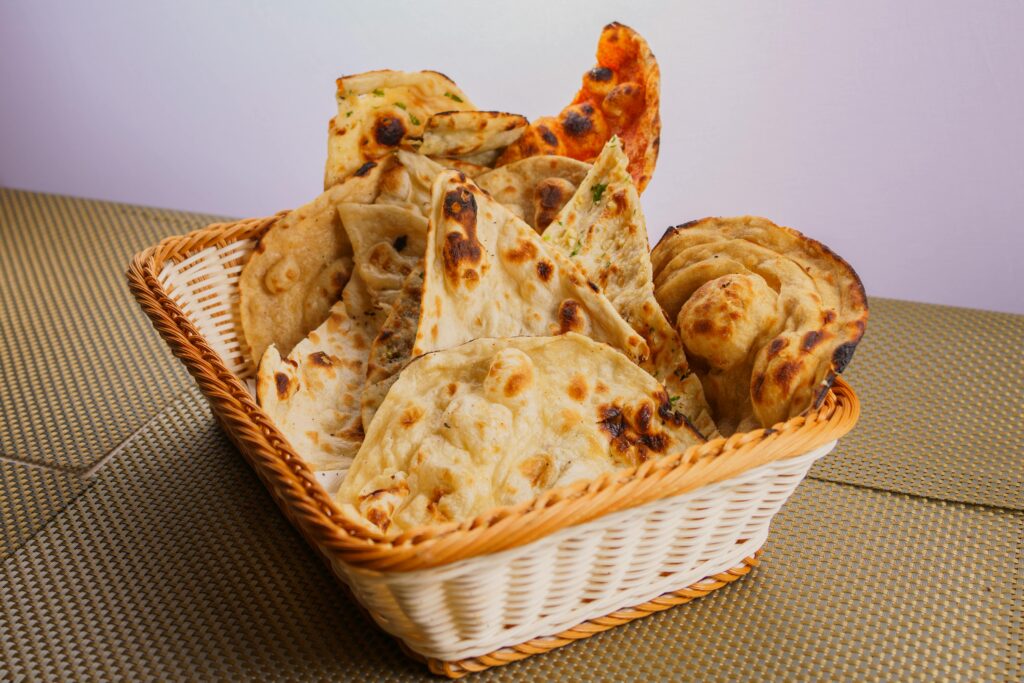
The Ultimate Guide to Perfect Roti & Paratha Every Time
Author By : Rajab Ali
Introduction: Why Roti & Paratha Matter in Desi Cuisine
Roti and paratha are more than just flatbreads — they are the heart of South Asian meals. From simple daal chawal dinners to elaborate curry spreads, these breads bring balance, texture, and comfort to the table. Despite their simplicity, many people struggle to make soft rotis or perfectly layered parathas consistently.
This comprehensive guide will walk you through every step, from selecting the right flour to mastering heat control, rolling techniques, and cooking methods. Whether you are a beginner or someone looking to refine your skills, this guide will help you achieve restaurant-quality roti and paratha at home.
Understanding the Difference Between Roti and Paratha
Before diving into techniques, it’s important to understand what makes these two flatbreads unique.
Roti (Chapati)
Made with whole wheat flour (atta)
No oil or minimal oil
Soft, thin, and light
Cooked on a tawa without fat
Paratha
Uses oil, ghee, or butter
Layered or stuffed
Crispy outside, soft inside
Richer and heavier than roti
Understanding this distinction helps you apply the right technique for the right bread.
Choosing the Right Ingredients
1. Wheat Flour (Atta)
The foundation of perfect roti and paratha is high-quality flour.
Best flour characteristics:
Finely ground whole wheat
High gluten elasticity
Fresh and aromatic
Pro Tip:
Stone-ground atta produces softer rotis compared to refined wheat flour.
2. Water Quality
Use lukewarm water for kneading
Avoid ice-cold water as it stiffens gluten
3. Salt (Optional)
Not traditional for roti
Enhances flavor for paratha
4. Fat (Oil or Ghee)
Essential for paratha
Adds softness and flakiness
The Science of Perfect Dough
Ideal Dough Texture
Soft but not sticky
Smooth and elastic
Springs back slightly when pressed
Step-by-Step Dough Kneading Process
Add flour to a wide bowl
Gradually add water
Mix gently with fingers
Knead using palm pressure
Continue for 8–10 minutes
Resting the Dough
Rest for 20–30 minutes
Cover with a damp cloth
Allows gluten to relax
Result: Easier rolling + softer rotis
How to Make Perfect Roti Every Time
Rolling Technique
Divide dough into equal balls
Dust lightly with dry flour
Roll evenly from center outward
Cooking Temperature
Tawa should be medium-high
Too hot = burnt roti
Too cold = hard roti
Cooking Steps
Place roti on hot tawa
Wait for bubbles
Flip once
Press gently to puff
Remove immediately
Secrets to Soft and Puffy Rotis
Always use fresh dough
Avoid excess dry flour
Cook quickly on high heat
Store in a cloth-lined container
Brush lightly with ghee (optional)
Common Roti Mistakes and How to Fix Them
Hard Rotis
Dough too stiff
Overcooked
Low heat
Dry Rotis
No resting time
Old flour
Excess dry flour while rolling
Mastering the Art of Paratha
Types of Paratha
Plain paratha
Layered (lachha) paratha
Stuffed paratha (aloo, keema, paneer)
How to Make Layered Paratha (Step-by-Step)
Roll dough thin
Apply oil or ghee
Sprinkle dry flour
Fold into layers
Roll gently again
Cook with oil until golden
Perfect Paratha Cooking Tips
Use medium heat
Flip multiple times
Press edges gently
Cook until crispy brown spots appear
Stuffed Paratha Tips for Best Results
Filling should be dry
Avoid overstuffing
Seal edges properly
Roll gently to prevent tearing
Oil vs Ghee: Which Is Better?
Oil
Lighter
Health-friendly
Vegan option
Ghee
Rich flavor
Authentic taste
Crispier texture
Tawa Selection Matters
Best Tawa Options
Cast iron
Heavy non-stick
Carbon steel
Avoid thin pans — they cause uneven cooking.
Storing Rotis and Parathas
Short-Term
Wrap in cloth
Store in insulated container
Long-Term
Freeze cooked parathas
Reheat on tawa without oil
Health Tips for Everyday Consumption
Use minimal oil
Prefer whole wheat
Pair with vegetables or lentils
Avoid reheating multiple times
Roti & Paratha for Beginners
If you’re just starting:
Practice dough consistency
Focus on heat control
Don’t rush the process
Improvement comes with repetition
Frequently Asked Questions
Why doesn’t my roti puff?
Uneven rolling or low heat prevents puffing.
Can I knead dough in advance?
Yes, refrigerate and bring to room temperature before use.
Final Thoughts: Practice Makes Perfect
Making perfect roti and paratha is a skill built through patience and practice. Once you understand the dough, heat, and timing, the process becomes second nature. With the techniques shared in this guide, you’ll be able to serve soft rotis and flaky parathas every single time — just like a pro desi kitchen.
Leave a Reply