

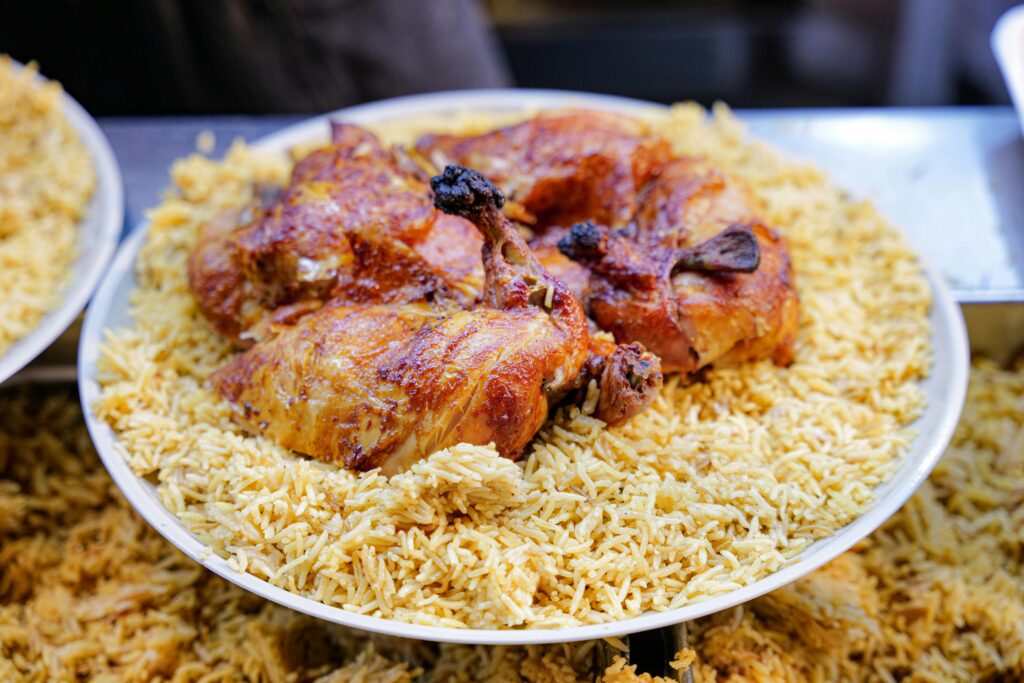

Traditional Biryani Variations Across Pakistan: A Culinary Journey
Author By: Rajab Ali
Introduction
Biryani is one of Pakistan’s most celebrated dishes, renowned for its aromatic spices, rich flavors, and layered rice-and-meat preparation. While its roots trace back to Mughal cuisine, Pakistan has developed its own regional variations, each reflecting the local culture, ingredients, and culinary traditions.
From Karachi’s spicy Sindhi Biryani to Lahore’s rich, creamy versions, biryani is more than a dish — it’s a cultural experience enjoyed during festivals, weddings, and family gatherings. This guide explores traditional biryani variations across Pakistan, their ingredients, cooking methods, and what makes each one unique.
The Core Elements of Pakistani Biryani
Before diving into regional variations, it’s important to understand the fundamental elements of biryani:
Rice: Usually Basmati, prized for its long grains and fragrance
Meat: Chicken, beef, mutton, or seafood
Spices: Cardamom, cloves, cinnamon, bay leaves, black cumin, chili powder, garam masala
Yogurt & Marinades: Adds tenderness and flavor to the meat
Garnishes: Fried onions, fresh cilantro, mint, lemon slices, and boiled eggs
Cooking Technique: Traditionally “dum” (slow-cooked) to infuse flavors
Regional Biryani Variations Across Pakistan
1. Sindhi Biryani (Karachi)
Overview: Famous for its bold, spicy flavor, Sindhi Biryani combines marinated meat, fragrant rice, and a variety of chilies.
Ingredients: Chicken or mutton, basmati rice, yogurt, tomatoes, green chilies, coriander, mint, and fried onions
Unique Features: Spicy, tangy, layered with potatoes, and cooked with slow dum
Cooking Tip: Marinate meat overnight for maximum flavor
2. Lahori Biryani
Overview: Lahore biryani is known for its aromatic, slightly creamy texture and moderate spice level.
Ingredients: Chicken, mutton, basmati rice, yogurt, ginger-garlic paste, garam masala, saffron, and ghee
Unique Features: Rich use of ghee and saffron, milder than Sindhi Biryani
Serving Suggestion: Often paired with raita or fresh salad
3. Karachi Biryani
Overview: Similar to Sindhi Biryani but often more accessible and less spicy for everyday meals
Ingredients: Chicken or beef, Basmati rice, tomato paste, green chilies, garlic, yogurt, and fried onions
Unique Features: Includes tangy flavors and a slightly wet texture due to gravy
Cooking Tip: Serve with a side of shahi chutney for added zest
4. Hyderabadi-Style Pakistani Biryani
Overview: Inspired by Indian Hyderabadi Biryani, adapted in Pakistani homes and restaurants
Ingredients: Chicken, mutton, Basmati rice, yogurt, saffron, fried onions, and mint leaves
Unique Features: Strong aromatic flavor with layers of rice and meat cooked separately before dum
Cooking Tip: Use saffron soaked in warm milk for authentic aroma and color
5. Karachi Beef Biryani
Overview: A meat-heavy variation popular in Karachi, using beef instead of chicken or mutton
Ingredients: Beef chunks, Basmati rice, tomatoes, yogurt, fried onions, and garam masala
Unique Features: Long cooking time enhances flavor penetration in beef
Serving Tip: Garnish with lemon wedges and boiled eggs
6. Sindhi Kacchi Biryani
Overview: A raw-style biryani, where marinated meat is cooked with partially boiled rice
Ingredients: Mutton or chicken, basmati rice, yogurt, fried onions, green chilies, and spices
Unique Features: Raw meat cooks under dum along with rice, infusing maximum flavor
Cooking Tip: Ensure proper layering and slow cooking to prevent undercooked meat
7. Karahi Biryani
Overview: A unique twist, where biryani is cooked in a karahi (wok) instead of traditional dum pot
Ingredients: Chicken, beef, or mutton, basmati rice, tomatoes, green chilies, yogurt, and ghee
Unique Features: Slightly wet texture, cooked faster than dum biryani
Serving Tip: Garnish with fresh coriander and fried onions
8. Sindhi Chicken Biryani
Overview: A lighter version of Sindhi Biryani, mainly using chicken
Ingredients: Chicken, basmati rice, yogurt, tomatoes, chilies, coriander, mint, and ghee
Unique Features: Less oily, easy to digest, ideal for home-cooked meals
Cooking Tip: Pair with a side of cucumber raita
9. Seafood Biryani (Coastal Pakistan)
Overview: Popular in Karachi and coastal areas, using prawns or fish
Ingredients: Prawns or fish, Basmati rice, spices, garlic, ginger, tomatoes, and green chilies
Unique Features: Slightly tangy, lighter than traditional meat biryani
Serving Tip: Garnish with lemon juice and fried onions
Cooking Techniques for Perfect Pakistani Biryani
1. Dum Cooking
Slow cooking in a sealed pot to lock flavors and aromas
Use dough or foil to seal the lid
2. Layering
Rice and meat layers are built carefully
Herbs and fried onions added between layers
3. Marination
Meat marinated with yogurt, spices, and aromatics to tenderize and flavor
Overnight marination is preferred
Tips for Beginners Making Pakistani Biryani
Choose Good Quality Basmati Rice: Long grains prevent mushy biryani
Balance Spices: Adjust chili and garam masala according to taste
Do Not Overcook Rice: Partially cook rice before layering
Use Fresh Herbs: Coriander and mint enhance aroma and flavor
Garnish Generously: Fried onions, boiled eggs, and lemon elevate presentation
Serving Pakistani Biryani
Serve with raita (yogurt dip), salad, or chutney
Traditionally paired with Papad or Pickles
For special occasions, garnish with fried nuts or raisins
Cultural Significance of Biryani in Pakistan
Served at weddings, festivals, and family gatherings
Represents hospitality and celebration
Regional variations reflect local ingredients and culinary heritage
Common Mistakes to Avoid
Overcooking rice
Under-marinated meat
Skipping the dum step
Using stale spices
Layering incorrectly
Key Takeaways
Pakistan has diverse biryani styles, each with distinct flavors
Core ingredients: Basmati rice, meat, spices, and yogurt
Proper marination, layering, and dum cooking are essential
Garnishing and accompaniments enhance both taste and presentation
Conclusion
Traditional biryani across Pakistan is more than just a meal; it’s a celebration of flavors, culture, and tradition. From Sindhi to Lahori to coastal seafood biryani, each variation showcases regional ingredients, cooking techniques, and unique taste profiles.
Whether you’re a beginner cook or a seasoned foodie, understanding these variations allows you to appreciate and recreate authentic Pakistani biryani at home.
Leave a Reply