

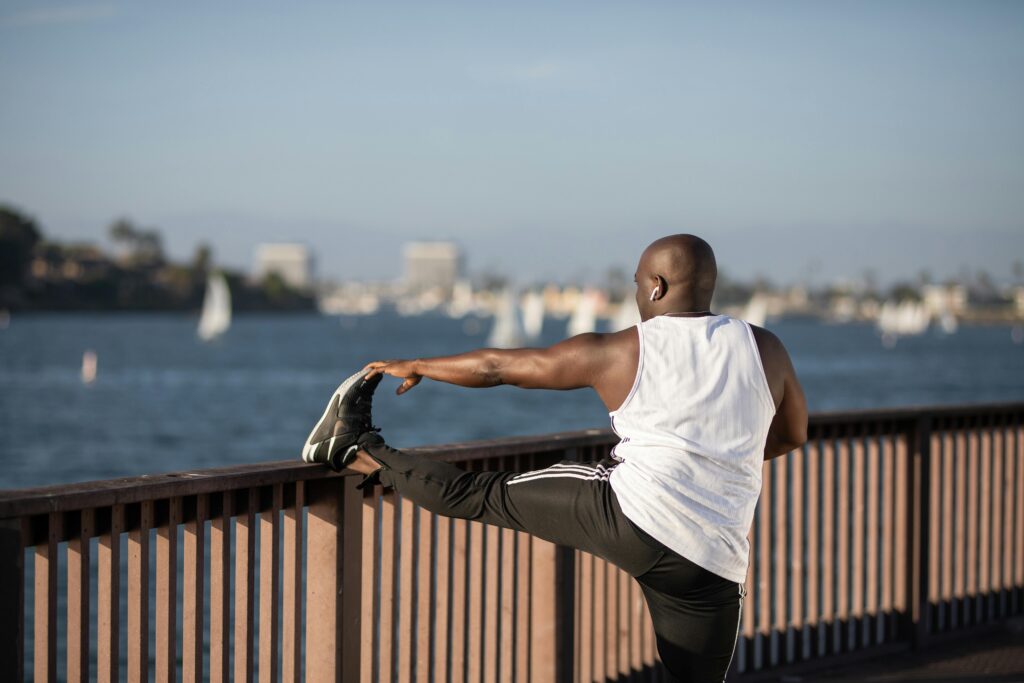

10-Minute Daily Stretching for Flexibility — Start Your Day Right
Author By: Rajab Ali
Introduction
Modern lifestyles often leave us feeling stiff, tired, and physically unbalanced. Long hours spent sitting, lack of movement, and daily stress slowly reduce our flexibility and mobility. Over time, this stiffness can lead to discomfort, poor posture, reduced performance, and even injury.
The solution does not require intense workouts or long gym sessions. A 10-minute daily stretching routine can dramatically improve flexibility, mobility, and overall well-being—especially when done in the morning. Stretching helps wake up the body, increases blood circulation, and prepares muscles and joints for the day ahead.
This article provides a complete, beginner-friendly guide to daily stretching for flexibility. You will learn why stretching matters, how to do it safely, and how to follow a simple 10-minute routine that fits into even the busiest schedule.
What Is Flexibility and Why Does It Matter?
Flexibility refers to the ability of your muscles and joints to move through their full range of motion. Good flexibility supports proper posture, balanced movement, and physical comfort.
Why Flexibility Is Important
Reduces muscle stiffness and tightness
Improves posture and body alignment
Enhances athletic and daily performance
Lowers the risk of injury
Reduces joint pain and muscle soreness
Improves circulation and mobility
Flexibility is not just for athletes or yoga practitioners. It is essential for everyone, regardless of age or fitness level.
Benefits of a 10-Minute Daily Stretching Routine
Stretching daily—even for just 10 minutes—offers both short-term and long-term benefits.
Physical Benefits
Increased joint mobility
Reduced muscle tension
Improved balance and coordination
Better range of motion
Enhanced recovery after exercise
Mental and Emotional Benefits
Reduced stress and anxiety
Improved focus and clarity
Better mood and mental calm
A mindful start to the day
Consistency matters more than duration. Ten minutes done daily is far more effective than occasional long sessions.
Why Morning Stretching Is Ideal
Stretching in the morning helps reverse the stiffness that builds up during sleep and inactivity.
Morning Stretching Benefits
Activates muscles and joints
Improves blood flow
Boosts energy levels naturally
Enhances posture for the day
Prepares the body for daily activities
Morning stretching is gentle, controlled, and focused on awakening the body rather than pushing limits.
Types of Stretching Explained
Understanding different stretching methods helps you stretch safely and effectively.
1. Static Stretching
Holding a stretch for a period (15–30 seconds). Best for relaxation and flexibility.
2. Dynamic Stretching
Controlled movements that gently take joints through a range of motion. Ideal for morning routines.
3. Mobility Stretching
Focuses on joint health and functional movement.
For a daily routine, a combination of dynamic and light static stretching works best.
Safety Guidelines for Beginners
Before starting, keep these important safety tips in mind:
Never stretch through pain
Breathe slowly and deeply
Move with control
Avoid bouncing movements
Warm up lightly before deeper stretches
Be consistent rather than aggressive
Stretching should feel comfortable, not painful.
The Ultimate 10-Minute Daily Stretching Routine
This routine targets the entire body and is suitable for beginners. Perform each movement slowly and mindfully.
1. Neck Stretch (1 Minute)
Benefits: Reduces neck stiffness and tension.
How to do it:
Gently tilt head side to side
Hold each side for 10–15 seconds
Avoid rolling the neck aggressively
2. Shoulder Rolls & Arm Stretch (1 Minute)
Benefits: Improves shoulder mobility and posture.
Roll shoulders forward and backward
Extend one arm across chest and hold
Switch sides
3. Chest Opener Stretch (1 Minute)
Benefits: Counteracts rounded shoulders from sitting.
Interlace fingers behind back
Lift arms slightly and open chest
Hold for 20–30 seconds
4. Cat–Cow Stretch (1 Minute)
Benefits: Improves spine flexibility and posture.
On hands and knees
Arch back (cat) then dip spine (cow)
Move slowly with breath
5. Standing Side Stretch (1 Minute)
Benefits: Stretches side body and spine.
Raise one arm overhead
Lean gently to the opposite side
Switch sides
6. Forward Fold Stretch (1 Minute)
Benefits: Stretches hamstrings and lower back.
Bend forward from hips
Let head and arms relax
Slight bend in knees is okay
7. Hip Flexor Stretch (1 Minute)
Benefits: Reduces tight hips caused by sitting.
Step one foot forward
Lower hips gently
Switch sides
8. Seated Hamstring Stretch (1 Minute)
Benefits: Improves leg flexibility.
Extend one leg forward
Reach toward toes
Switch legs
9. Butterfly Stretch (1 Minute)
Benefits: Opens hips and inner thighs.
Sit with soles of feet together
Gently press knees downward
10. Child’s Pose with Deep Breathing (1 Minute)
Benefits: Relaxes body and mind.
Kneel and sit back on heels
Stretch arms forward
Breathe deeply
How to Breathe During Stretching
Breathing plays a major role in flexibility.
Proper Breathing Tips
Inhale through the nose
Exhale slowly through the mouth
Relax muscles on exhale
Never hold your breath
Deep breathing helps muscles release tension naturally.
Common Stretching Mistakes to Avoid
Many beginners unknowingly reduce the benefits of stretching.
Rushing through stretches
Skipping breathing
Overstretching
Being inconsistent
Stretching cold muscles aggressively
Stretching is about patience, not force.
How Long Does It Take to See Results?
Flexibility improvements depend on consistency.
What to Expect
1–2 weeks: Reduced stiffness
3–4 weeks: Improved mobility
6–8 weeks: Noticeable flexibility gains
Daily practice delivers the best results.
Stretching for Different Lifestyles
For Office Workers
Focus on neck, shoulders, hips
Stretch every morning and evening
For Athletes
Combine stretching with mobility drills
Stretch after workouts
For Older Adults
Gentle, slow movements
Avoid deep stretches
Stretching and Injury Prevention
Flexible muscles absorb stress better and reduce strain on joints.
Stretching helps:
Prevent muscle pulls
Reduce back pain
Improve balance
Support joint health
A daily stretching habit is a powerful injury-prevention tool.
Combining Stretching With Other Fitness Activities
Stretching works best when combined with:
Walking
Strength training
Yoga
Light cardio
Stretching supports recovery and movement quality.
Staying Consistent With Daily Stretching
Tips to Build the Habit
Stretch at the same time daily
Keep routine short and simple
Track progress weekly
Use calming music
Focus on how your body feels
Consistency transforms stretching into a lifestyle.
Mental Health Benefits of Daily Stretching
Stretching is not only physical—it’s therapeutic.
Benefits include:
Reduced stress
Improved focus
Better mood
Mind-body awareness
Ten minutes of stretching can reset your mental state.
Final Thoughts
A 10-minute daily stretching routine for flexibility is one of the simplest and most effective habits you can build. It requires no equipment, no special skills, and very little time—yet the benefits are profound.
By starting your day with gentle stretches, you improve flexibility, posture, mobility, and mental clarity. Over time, this small daily practice supports a healthier, more balanced life.
Leave a Reply